
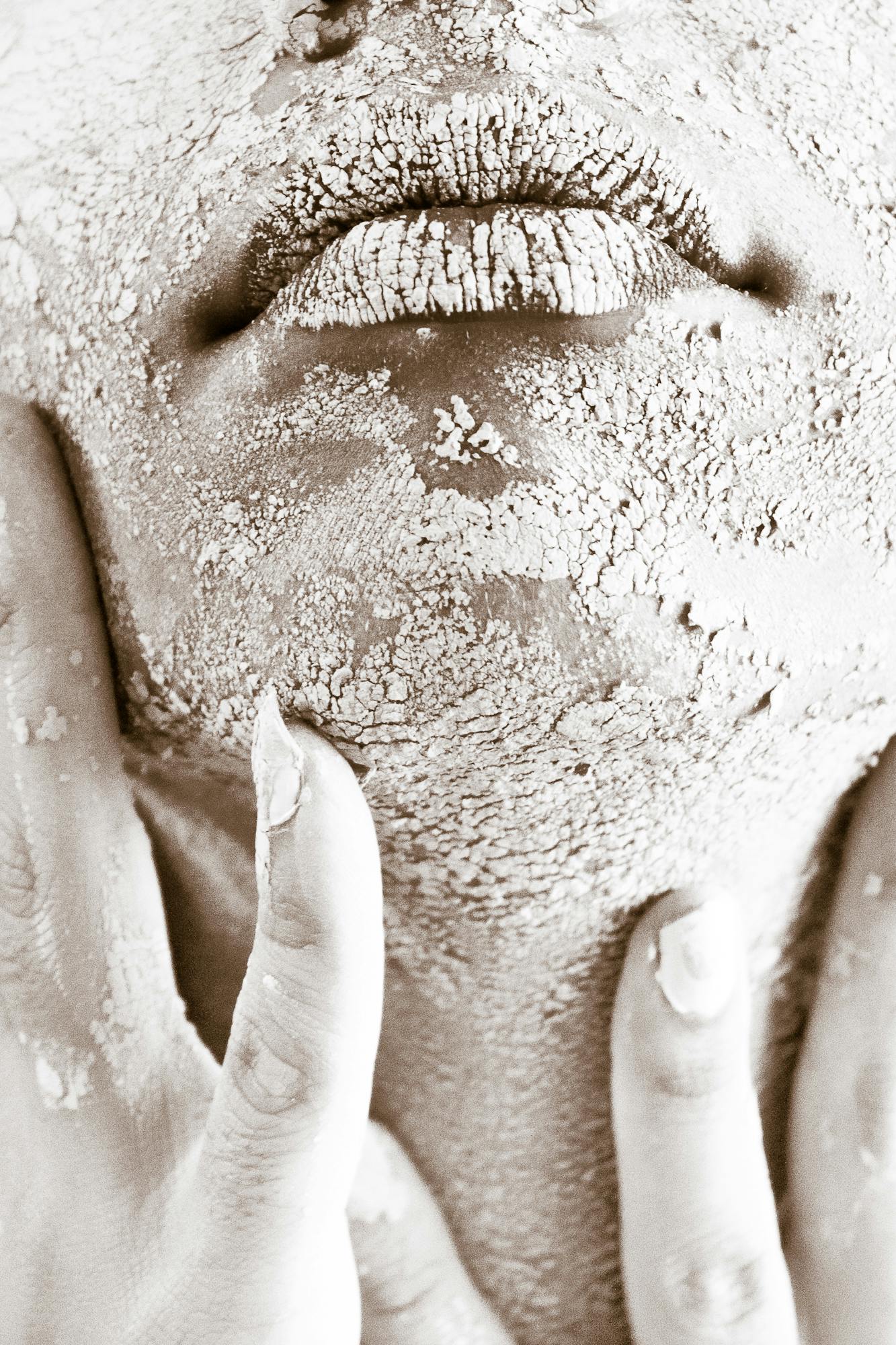
If you recently started using retinol and your skin suddenly looks worse—more breakouts, redness, or peeling—you’re not alone.
Many beginners experience what is often called the “retinol purge.” While it can be frustrating, this reaction is usually temporary and happens because retinoids accelerate the skin’s natural renewal process.
Understanding the difference between purging and irritation is key to knowing whether you should stay consistent or adjust your routine.
If you’re new to retinol, choosing a beginner-friendly formula can significantly reduce irritation. In our guide to the best retinol for beginners, we review gentle options that dermatologists often recommend.
Retinol Purging vs Irritation (Quick Answer)
If your skin looks worse after starting retinol, it could be either purging or irritation.
• Retinol purging happens when increased skin cell turnover pushes clogged pores to the surface faster. It usually occurs in areas where you already get breakouts and typically improves within 4–8 weeks.
• Retinol irritation is different. It often includes burning, severe redness, peeling, or breakouts in new areas and may indicate that your skin barrier is overwhelmed.
Most beginners experience mild purging when starting retinol, especially during the first few weeks of use.
What Is Retinol Purging?
Retinol is a vitamin A derivative that increases skin cell turnover, meaning it helps the skin shed dead cells faster and produce new ones more quickly.
Because this process accelerates the life cycle of clogged pores, breakouts that were already forming beneath the surface may appear faster than usual. This temporary increase in acne is known as retinol purging.
Research shows that retinoids stimulate epidermal turnover and prevent the formation of new comedones, which is why they are widely used in acne treatment.
Retinoids increase epidermal cell turnover and help prevent clogged pores, making them a cornerstone ingredient in acne treatment.
How Long Does Retinol Purging Last?
The purging phase is temporary.
Most dermatologists report that retinol purging typically lasts four to eight weeks, which corresponds to the time required for one full skin renewal cycle.
During this period, the skin is also undergoing retinization, a process where the skin gradually adapts to the ingredient.
The skin typically requires several weeks to adjust to topical retinoids as cellular turnover accelerates.
Many beginners stop too early because they think the product is damaging their skin. However, consistency is often required before the long-term benefits become visible.
Retinol Purging vs Irritation: How to Tell the Difference
It is important to distinguish between a purge and a negative reaction.
Purging
• Breakouts appear in areas where you usually get acne
• Pimples heal faster than normal acne
• The reaction improves within several weeks
Irritation
• Burning or intense redness
• Flaking or raw skin
• Breakouts appearing in new areas
If irritation is severe, stop using the product and consult a dermatologist.
Many beginners unknowingly worsen irritation through application mistakes. If you’re starting retinol, these common beginner mistakes are worth avoiding. In this article we explain the 5 most common retinol mistakes beginners make and how to prevent them
Why Retinol Can Cause Irritation
Sometimes the problem is not purging but skin barrier irritation.
This can happen if retinol is introduced too aggressively.
Common causes include:
Using too much too soon
Starting with high concentrations or daily use can overwhelm the skin.
Mixing strong active ingredients
Combining retinol with exfoliating acids (AHAs/BHAs) or benzoyl peroxide may increase irritation for beginners.
Skipping sunscreen
Retinoids increase photosensitivity, meaning skin becomes more vulnerable to UV damage.
Topical retinoids can increase photosensitivity and should always be used alongside daily sun protection.
How to Reduce Retinol Irritation
Dermatologists generally recommend introducing retinol slowly.
Start low and slow
Begin with a low concentration and apply it 1–2 nights per week.
Try the “sandwich method”
Apply moisturizer → retinol → moisturizer to buffer irritation.
Simplify your routine
During the adjustment period, avoid strong exfoliants and use gentle products containing:
• ceramides
• hyaluronic acid
• niacinamide
These ingredients help support the skin barrier while your skin adapts.
What If Retinol Is Too Irritating?
Some people with very sensitive skin struggle with traditional retinoids.
Bakuchiol is a plant-derived ingredient that has shown retinol-like benefits in some studies, including improvements in wrinkles and pigmentation, with less irritation.
The Bottom Line
If your skin looks worse after starting retinol, it does not necessarily mean the product is harming your skin.
Retinol purging is a temporary phase caused by accelerated skin renewal.
By starting slowly, protecting your skin barrier, and choosing beginner-friendly formulas, most people can successfully adapt to retinol and see long-term improvements in skin texture, acne, and fine lines.