
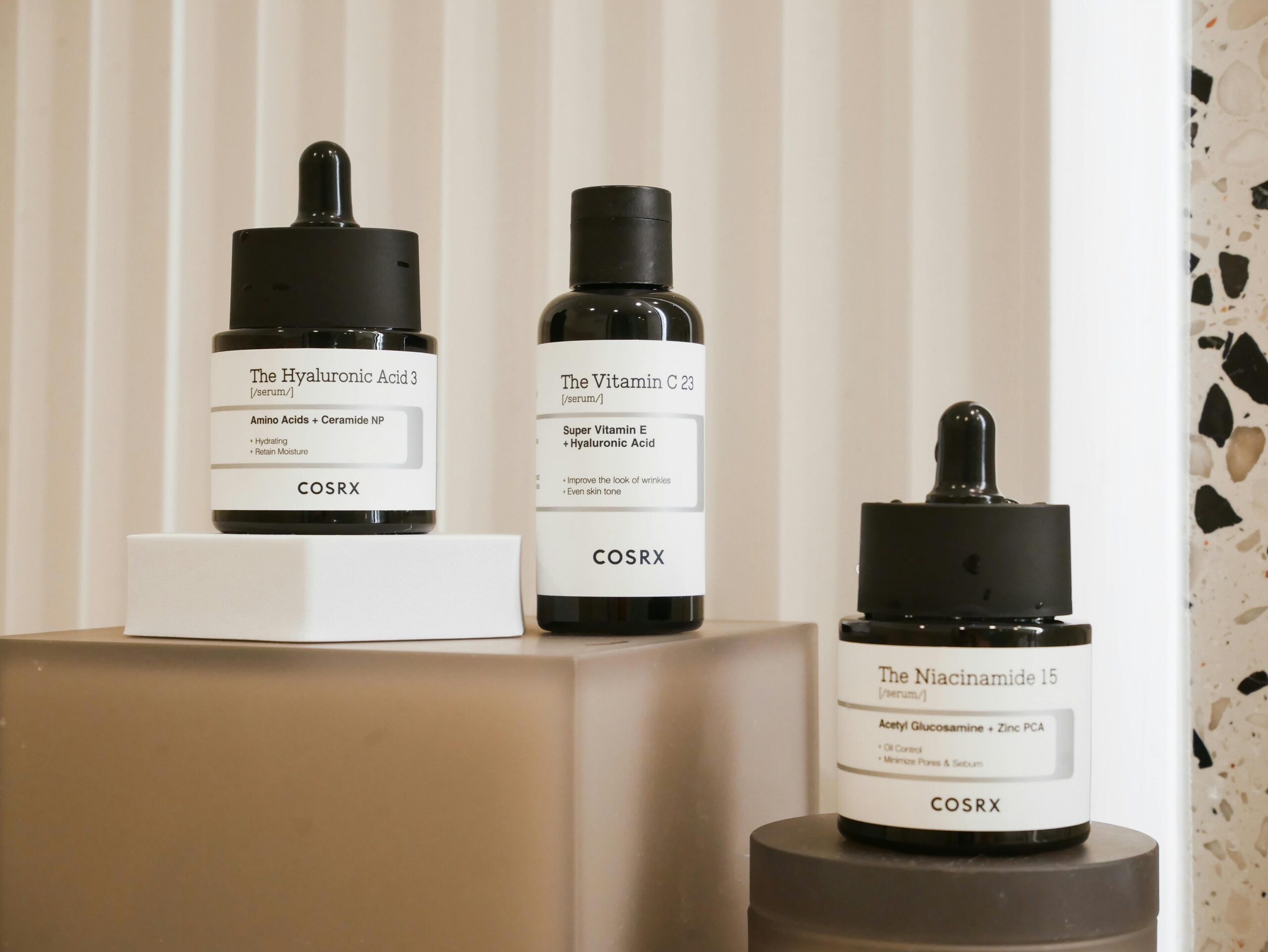
For years, skincare enthusiasts believed that niacinamide and vitamin C could not be used together, fearing the combination would cancel out their benefits or cause irritation.
Modern dermatological research has debunked this myth. In reality, combining these two ingredients can create a powerful antioxidant strategy that supports collagen production, brightens skin tone, and improves overall skin health.
Understanding how these ingredients work together — and in what order to apply them — can help you build a more effective skincare routine, especially if you are focusing on preventing early signs of aging in your 30s.
| Quick answer: Yes, you can use niacinamide and vitamin C together. Apply vitamin C first, let it absorb for 30–60 seconds, then apply niacinamide. Both ingredients are safe to combine and complement each other’s benefits. |
Why Niacinamide and Vitamin C Work Well Together
Both niacinamide and vitamin C are powerful antioxidants that help protect the skin from oxidative stress caused by environmental damage such as UV exposure and pollution.
However, they work through different biological pathways, which is why they complement each other so well rather than competing.
Collagen Support
Vitamin C plays a critical role in collagen synthesis, helping stabilize collagen molecules and supporting the skin’s structural integrity.
Niacinamide has also been shown to improve skin elasticity and support dermal matrix proteins, which may indirectly contribute to collagen maintenance.
According to research published Nutrients (2017, vol. 9, issue 8), vitamin C is an essential cofactor in collagen synthesis and plays a key role in maintaining healthy skin structure.
Brightening and Hyperpigmentation
Vitamin C helps reduce hyperpigmentation by inhibiting the enzyme tyrosinase, which is involved in melanin production.
Niacinamide works differently: it blocks the transfer of melanin from melanocytes to keratinocytes, reducing the appearance of dark spots and uneven skin tone.In one clinical trial, a 5% niacinamide moisturizer significantly decreased hyperpigmentation compared with a vehicle control after just 4 weeks of use.
Because these ingredients target different stages of the pigmentation process, using them together can create a more comprehensive approach to skin brightening.
Skin Barrier Support
Niacinamide is also known for strengthening the skin barrier and reducing transepidermal water loss (TEWL). Research published in the Journal of Cosmetic Dermatology, shows that niacinamide significantly improves the skin barrier and increases ceramide production.
This is particularly helpful when using active ingredients like retinol or exfoliating acids, which may sometimes cause temporary irritation during the adjustment period.
If you are new to retinol, you can read our guide on how to start using retinol safely. Pairing that evening niacinamide step with a dedicated night cream — built around ceramides or extra niacinamide — locks in the barrier support while you sleep. See our picks for the best night creams for your 30s.
Niacinamide vs Vitamin C: Quick Comparison
| Niacinamide | Vitamin C | |
| Main benefit | Barrier support, pores, pigmentation | Antioxidant, collagen, brightening |
| Targets pigment | Blocks melanin transfer | Inhibits tyrosinase enzyme |
| Collagen support | Yes — stimulates production | Yes — essential cofactor |
| Best time | AM and PM | AM (before SPF) |
| Irritation risk | Very low | Low to moderate |
| Use together? | Yes — apply after Vitamin C | Yes — apply before Niacinamide |
The Correct Order to Apply Vitamin C and Niacinamide
Dermatologists generally recommend applying skincare products from the thinnest to the thickest texture to allow proper absorption. The American Academy of Dermatology recommends applying active treatments before thicker creams to allow proper absorption
A simple layering routine looks like this:
Morning Routine
- Cleanser — gentle, non-stripping formula
- Vitamin C serum — apply to clean, dry skin
- Niacinamide serum — apply after vitamin C has absorbed (30–60 seconds)
- Moisturizer — seal in hydration
- Sunscreen SPF 30+ — non-negotiable, every morning
Night Routine
- Cleanser
- Niacinamide serum — supports barrier repair overnight
- Retinol (2–3 nights per week, if using)
- Moisturizer
| Note: Vitamin C is best used in the morning because of its antioxidant properties and ability to enhance the protective effects of sunscreen. Niacinamide is versatile and works well both morning and night. |
Recommended Products: Niacinamide and Vitamin C for Beginners Over 30
This post contains affiliate links. If you purchase through them, I may earn a small commission at no extra cost to you.
These are the products I recommend for women in their 30s starting niacinamide and vitamin C for the first time. They are gentle, affordable, and widely recommended.
Best Niacinamide Serums
| COSRX Niacinamide 15 Serum — Korean Pick A high-concentration niacinamide serum at an affordable price point. Works well for texture, enlarged pores, and uneven skin tone. Lightweight formula that layers easily under moisturizer. 👉 See reviews on Amazon |
| The Ordinary Niacinamide 10% + Zinc 1% — Budget Dermatology Pick A minimalist formula designed to reduce oil production and improve skin texture while remaining affordable and easy to layer in a routine. 👉 See on Amazon |
Best Vitamin C Serums
| Eucerin Hyaluron-Filler Vitamin C Booster — Pharmacy Pick A 10% vitamin C formula combined with hyaluronic acid to brighten dull skin and support hydration without irritation. 👉 See on Amazon |
| Mad Hippie Vitamin C Serum — Budget Pick A stable vitamin C formula with ferulic acid to enhance antioxidant protection. Good option for women who prefer cleaner ingredient lists and budget friendly. 👉 Check price on amazon |
| La Roche-Posay Pure Vitamin C12 — Dermatologist Pick A well-formulated 12% vitamin C serum designed to brighten skin tone and support collagen while remaining gentle enough for sensitive skin. 👉 See reviews on Amazon |
How Long Does It Take to See Results?
Like most skincare ingredients, consistency matters more than intensity.
Clinical studies suggest that visible improvements in skin tone, texture, and fine lines typically appear after 4 to 8 weeks of consistent use. Some people notice brighter skin within 2 to 3 weeks, while deeper pigmentation changes take longer.
If you have sensitive skin, consider introducing one new active ingredient at a time to allow your skin barrier to adjust before adding another.
If you are also using retinol, make sure to avoid some common beginner mistakes that can compromise your results.
Common Concerns About Using Niacinamide and Vitamin C Together
Does Niacinamide Cancel Out Vitamin C?
No. This was a concern based on older research suggesting that niacinamide and vitamin C could form a compound called nicotinic acid that causes skin flushing. However, this reaction requires extremely high temperatures that are not relevant to normal skincare use.
Modern formulations and real-world use consistently show that niacinamide and vitamin C are safe and effective when used together.
Do I Need to Wait Between Applying Them?
A short wait of 30 to 60 seconds is enough to allow the vitamin C serum to absorb before applying niacinamide. You do not need to wait several minutes between products unless your skin is particularly sensitive.
Can This Combination Cause Irritation?
For most people, niacinamide and vitamin C are well tolerated together. If you experience any redness or tingling, it is more likely due to the vitamin C concentration than the combination itself. Try starting with a lower concentration vitamin C serum (10% or less) if you have sensitive skin.
FAQ
Can beginners in their 30s use both niacinamide and vitamin C?
Yes. Both ingredients are well tolerated by most skin types and are a good starting point for women in their 30s building an anti-aging routine. Start with niacinamide first if you are new to active ingredients, then add vitamin C once your skin has adjusted.
Is niacinamide or vitamin C better for anti-aging?
They serve different but complementary functions. Vitamin C is stronger for brightening and antioxidant protection, while niacinamide is better for barrier support, texture, and pore appearance. Using both together gives you more comprehensive anti-aging coverage than either ingredient alone.
Can I use niacinamide and vitamin C at night?
Vitamin C is most effective in the morning because it enhances sunscreen protection and protects against daytime UV and pollution damage. Niacinamide can be used both morning and night. If you prefer to simplify, use vitamin C in the morning and niacinamide at night.
What percentage of niacinamide is effective?
Research shows that concentrations between 2% and 5% are effective for most skin concerns. Higher concentrations (10–15%) are available but are not necessary for beginners and may cause slight tingling in sensitive skin.
Can I use niacinamide and vitamin C with retinol?
Yes. Niacinamide is particularly useful when combined with retinol because it helps support the skin barrier and reduce irritation during the adjustment period. Use retinol at night and vitamin C in the morning. Niacinamide can be used in both routines.
References
1. Nutrients — The Roles of Vitamin C in Skin Health: https://www.ncbi.nlm.nih.gov/pmc/articles/PMC5579659/
2. Journal of Cosmetic Dermatology,— Nicotinic acid/niacinamide and the skin: https://pubmed.ncbi.nlm.nih.gov/17147561/
3. British Journal of Dermatology (Br J Dermatol 2002)— Niacinamide and hyperpigmentation: https://pubmed.ncbi.nlm.nih.gov/12100180/