
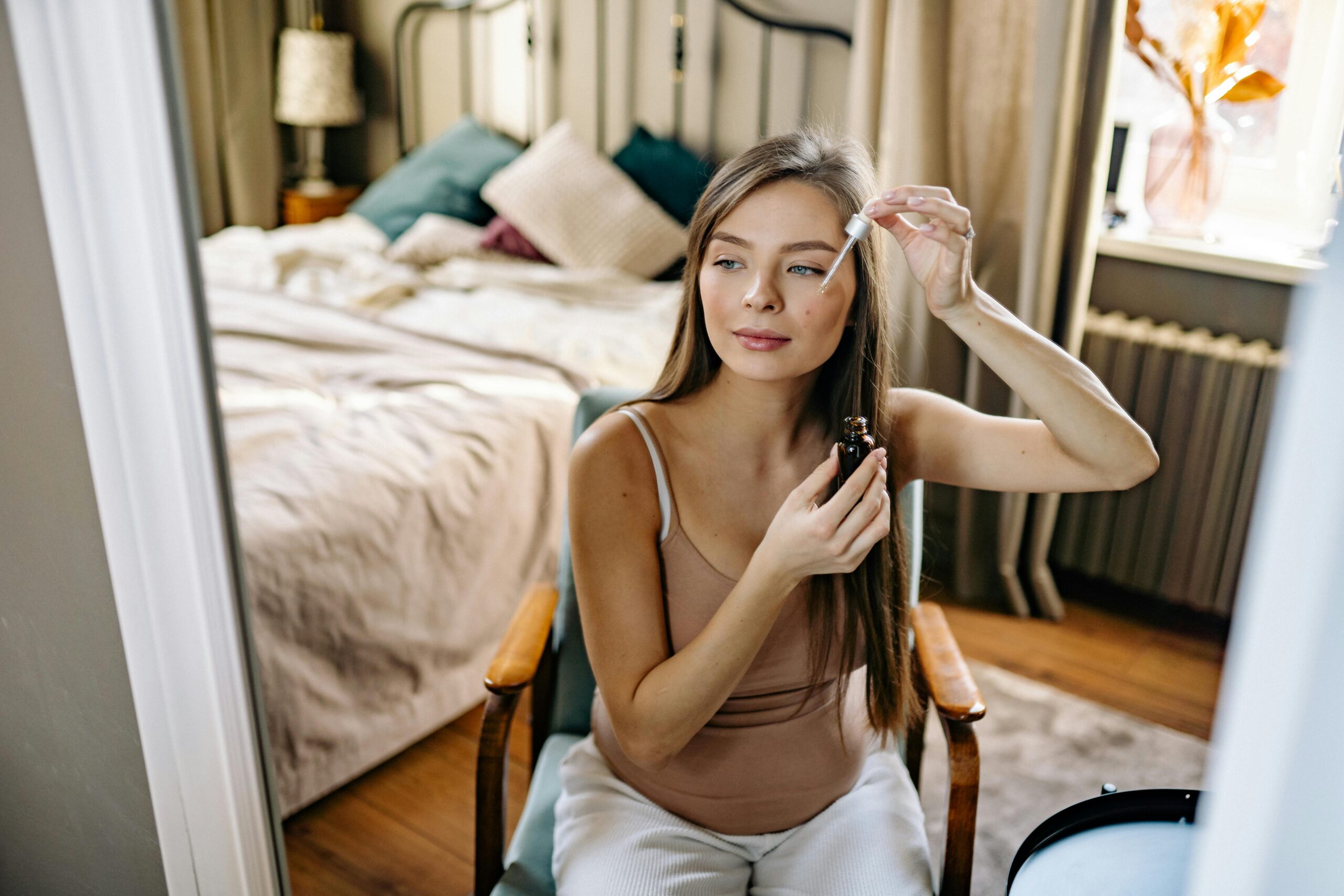
You already know niacinamide works. Clinical studies using 5% concentrations applied twice daily show significant improvement in dark spots, fine lines, pore size, and skin barrier function — all in 8–12 weeks. The problem isn’t the ingredient. The problem is that most serums on the market get the concentration wrong, the formula wrong, or both.
This guide cuts through the noise. These are the five niacinamide serums that match what the clinical research actually used — with the concentration, the supporting ingredients, and the texture to use them consistently for 12 weeks.
If you just want the bottom line: Paula’s Choice 10% Niacinamide Booster is our top overall pick for women in their 30s. But if your budget is under $15, The Ordinary Niacinamide 10% + Zinc 1% delivers nearly identical results for a fraction of the price. Keep reading to understand why.
What to Look for in a Niacinamide Serum (Before You Buy Anything)
Before going to the product picks, there are three things that separate a niacinamide serum that works from one that doesn’t.
Concentration: 5%–10% is the clinical sweet spot. Studies showing real anti-aging benefits used concentrations between 2% and 10%. Most published research used 5%. Going above 10% hasn’t been shown to deliver meaningfully better results in peer-reviewed studies, and higher concentrations are more likely to cause irritation, especially if you’re already using retinol. Look for products that clearly state their percentage on the label.
Supporting ingredients matter. The best niacinamide serums add ingredients that work synergistically: zinc (to manage sebum and reduce inflammation), hyaluronic acid (to keep skin hydrated so niacinamide absorbs better), or vitamin B5/panthenol (for extra barrier support). A serum that’s just niacinamide in water isn’t necessarily better — supporting ingredients make the formula more effective.
Stability and pH. Niacinamide is water-soluble and relatively stable, but it degrades faster in very high or very low pH environments. The ideal pH for a niacinamide serum is between 5.0 and 7.0. This also matters if you’re layering with vitamin C: apply your vitamin C first, wait 30–60 seconds, then apply niacinamide. You can use them together — the old myth about them canceling each other out has been thoroughly debunked.
The 5 Best Niacinamide Serums for Women in Their 30s
1. Paula’s Choice 10% Niacinamide Booster — Best Overall
Why it works: Paula’s Choice uses 10% niacinamide with a stable, lightweight formula at skin-friendly pH. The formula includes vitamin C derivatives and licorice root extract, which work alongside niacinamide to address dark spots from multiple mechanisms simultaneously — a smart combination for women in their 30s dealing with the early signs of hyperpigmentation.
Who it’s for: Women in their early-to-mid 30s who want maximum efficacy and are comfortable investing in a premium product. It layers well under moisturizer and under SPF, with zero greasiness.
The downside: At $38–42, it’s the most expensive option on this list. But the formula quality and the 10% concentration justify the price for anyone serious about results.
How to use it: Apply 2–3 drops on clean, dry skin in the morning after vitamin C and before moisturizer. Can also be used at night, though morning use pairs best with SPF for maximum anti-aging protection.
👉 Check current price on Amazon
2. The Ordinary Niacinamide 10% + Zinc 1% — Best Budget Pick
Why it works: This is the product that put niacinamide on the mainstream skincare map, and for good reason. The formulation is clinically straightforward: 10% niacinamide at a skin-compatible pH, with 1% zinc PCA to control sebum and calm inflammation. The Ordinary published the formulation openly, which means you know exactly what you’re applying.
Who it’s for: Anyone new to niacinamide, anyone on a budget, or anyone who prefers knowing exactly what’s in their serum. It’s particularly effective for oily or combination skin types that struggle with enlarged pores and breakouts alongside anti-aging concerns.
The downside: The texture is slightly sticky and doesn’t layer as smoothly under makeup as more expensive alternatives. Some people with sensitive skin also react to the zinc, though this is uncommon.
How to use it: Apply a few drops on clean skin, wait 30 seconds for absorption, then follow with moisturizer. Use morning and evening for best results — the twice-daily application protocol matches the clinical studies that showed the strongest outcomes.
👉 Check current price on Amazon
3. COSRX Niacinamide 15% Face Serum — Best Drugstore Pick
Why it works: COSRX formulated this with 15% niacinamide — one of the highest concentrations available at this price point — and kept everything else minimal. No fragrance, no unnecessary fillers, just niacinamide, hyaluronic acid, and a lightweight base that absorbs fast. At 15%, you’re getting a clinically relevant dose that visibly addresses pore appearance, uneven tone, and early fine lines without the irritation risk you’d expect at that strength.
Who it’s for: Women in their 30s who want results without spending $50+ on a serum. It’s especially well-suited if your main concerns are enlarged pores and dull skin — that’s where 15% niacinamide pulls ahead of the standard 10% formulas. Also a great option if you’re already using The Ordinary and want to try a step up in concentration.
The downside: 15% niacinamide can cause temporary flushing in very sensitive skin, especially the first few uses. If your skin tends toward reactivity, patch test for a few days before adding it to your full routine.
How to use it: Apply to clean, dry skin before moisturizer. In the morning it layers well under SPF; in the evening use it before your night cream or oil. If you’re also using retinol, apply niacinamide first — it buffers any potential irritation from the retinol without blocking its efficacy.
👉 Check current price on Amazon
4. Naturium Niacinamide Serum 12% + Zinc 2% — Best Mid-Range Pick
Why it works: Naturium hits the formulation sweet spot: 12% niacinamide paired with 2% zinc — a combination that addresses both the anti-aging and the oil-control sides of what skin in its 30s actually needs. The zinc targets sebum production and inflammation while the niacinamide works on tone, barrier, and texture simultaneously. The formula is fragrance-free, lightweight, and absorbs fast enough to layer comfortably under SPF without pilling.
Who it’s for: Women in their 30s with oily or combination skin who want a step up from The Ordinary without paying premium prices. It’s also a strong pick if enlarged pores and uneven skin tone are your primary concerns — that niacinamide + zinc combination is one of the most clinically studied pairings for exactly those issues.
The downside: At 12%, it’s on the higher end of the concentration range that’s been widely studied. Most published research used 5–10%, so you’re slightly outside the evidence base. That said, the formula handles it well — reactions are uncommon and usually resolve after a few days of use.
How to use it: Apply to clean, dry skin before moisturizer, morning and evening. In the morning, layer under SPF — it absorbs fast enough that there’s no greasiness under makeup. In the evening, apply before retinol if you’re using it.
👉 Check current price on Amazon
5. TruSkin Niacinamide Serum — Best Amazon-Friendly Pick
Why it works: TruSkin formulates at 20% niacinamide — higher than typical, which sounds concerning, but the formula also contains soothing ingredients including vitamin C, salicylic acid, hyaluronic acid, and retinol. This is one of the few Amazon-native brands that has invested in clinical testing and publishes its consumer study results
Who it’s for: Women comfortable with richer formulas who want a single serum that combines multiple anti-aging actives. The all-in-one nature means fewer products to layer — useful if you’re simplifying your routine.
The downside: Because it combines niacinamide with vitamin C and retinol, you need to be careful about stacking it with other actives. If you’re using a dedicated retinol serum at night, don’t use this serum at the same time — it could push your retinol exposure above a comfortable threshold.
How to use it: Best used in the evening, 3–4 times per week, on clean dry skin before moisturizer. Use a dedicated vitamin C serum in the morning instead of this one.
👉 Check current price on Amazon
How Niacinamide Works in Your 30s — The Short Version
Niacinamide (vitamin B3) works through four mechanisms that address the most common skin concerns women in their 30s face:
Barrier reinforcement. Niacinamide stimulates ceramide production and reduces transepidermal water loss. A stronger barrier means skin stays hydrated, looks plumper, and tolerates other actives (like retinol) better. This happens in the first 1–2 weeks.
Sebum regulation. At 2% concentration, niacinamide significantly reduces sebum excretion rate within 4 weeks. If your skin became oilier or more congested in your late 20s or early 30s, this is one of the fastest improvements you’ll notice.
Hyperpigmentation control. Niacinamide inhibits melanosome transfer — the process by which melanin moves from pigment-producing cells to skin cells. This is what fades dark spots over time. Results appear between weeks 4 and 8 with consistent use. See the full niacinamide timeline here.
Anti-aging support. A 12-week double-blind placebo-controlled trial found 5% niacinamide applied twice daily significantly improved fine lines, wrinkles, hyperpigmented spots, skin texture, redness, and elasticity compared to placebo. This is why 12 weeks of consistent use is the benchmark — you’re not going to see the full picture until then.
How to Add a Niacinamide Serum to Your Routine
Morning routine:
- Cleanser
- Vitamin C serum (optional — apply to clean, dry skin)
- Wait 30–60 seconds
- Niacinamide serum
- Moisturizer
- SPF 30+
Evening routine:
- Cleanser
- Niacinamide serum (every night)
- Retinol (2–3x per week)
- Ceramide moisturizer
Key layering notes: Niacinamide goes after vitamin C, not before. If you’re not using vitamin C, apply niacinamide directly to clean skin as the first step. Niacinamide is compatible with every other common skincare active — retinol, AHA/BHA, SPF — with no known interactions at standard concentrations.
FAQ
Can I use niacinamide every day? Yes. Niacinamide is well-tolerated and non-photosensitizing. The clinical studies showing the strongest results used twice-daily application for 12 weeks. Daily use is safe for virtually all skin types.
What percentage of niacinamide is most effective? Studies show significant results starting at 2%, with the most evidence behind 5% and 10%. Most dermatologists recommend starting at 5% and only going to 10% if you’ve confirmed good tolerance. Learn more about niacinamide results by concentration here.
Can I use niacinamide with retinol? Yes. Niacinamide and retinol are one of the most complementary ingredient pairs in skincare. Apply niacinamide in the evening, then layer retinol on top. On nights you use retinol, niacinamide provides a hydrating buffer that reduces the risk of irritation.
How long until I see results? Barrier improvements: 1–2 weeks. Sebum and pore refinement: 4 weeks. Dark spot fading: 4–8 weeks. Full anti-aging results (fine lines, elasticity): 12 weeks. Full timeline here.
Should I use niacinamide in the morning, at night, or both? Both, if possible — the studies that showed the strongest results used twice-daily application. If you can only use it once, morning is slightly more strategic because niacinamide’s barrier-strengthening effects complement SPF protection throughout the day.
The Bottom Line
The best niacinamide serum for your 30s is the one you’ll actually use twice a day for 12 weeks — at 5–10% concentration, layered correctly with your other actives. For most women, that means choosing between the budget-friendly predictability of The Ordinary or the more sophisticated formula of Paula’s Choice. CeraVe is the right call if your skin is dry or sensitive and you’re already on retinol. L’Oréal is the smart mid-range play.
What the research is clear about: the ingredient works. The concentration matters. And the timeline is longer than most people expect — but worth it.
Affiliate disclosure: SmartAgingLab earns a small commission when you purchase through Amazon links on this page, at no additional cost to you. We only recommend products we’ve evaluated against clinical research. See our full affiliate disclosure here.